
Thread Compatibility, Mounting Position, and Fitment in Tow Hook Plate Mounts
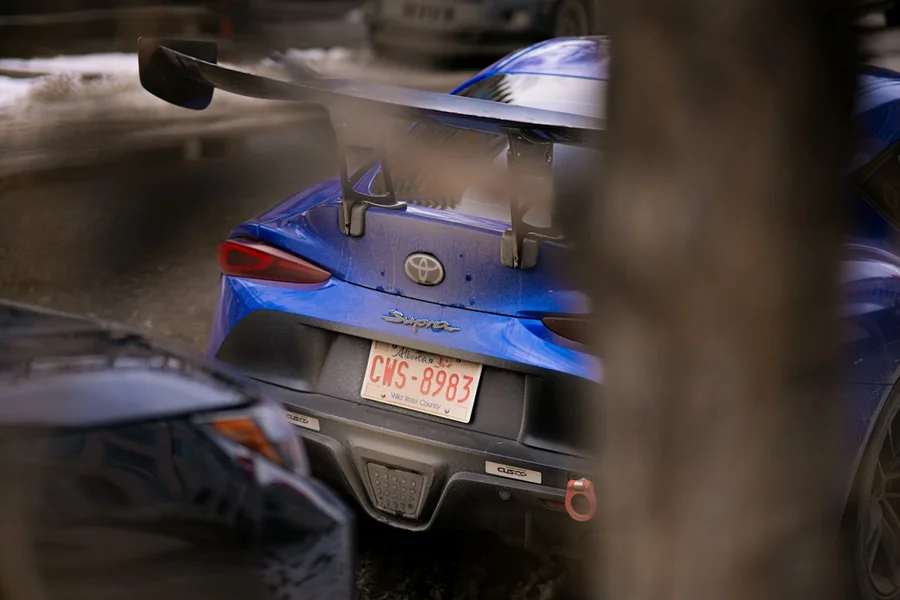
When choosing a tow hook license plate mount, pick one that works for your vehicle; don’t just look for a bracket that attaches to your car. Consider thread size and fit, mounting location, and whether the plate bracket suits your specific make/model. Use it to prevent mounting issues.
Check Tow Hook Thread Compatibility
The threaded shaft must match the factory tow hook socket on your vehicle. Thread diameter, pitch, and engagement depth affect how the bracket attaches to the mount.
Verify Thread Size and Pitch
Thread diameter is the shaft size, while pitch tells you how far apart the threads are. They must match the vehicle’s socket. Consult your owner’s manual or the product specifications before buying a mount.
Never force a threaded shaft into the socket if it turns hard. Improperly threaded shafts can damage the mounting hole and make future installation difficult.
Ensure Proper Thread Engagement
Issues can still occur even with matching threads if the shaft isn’t engaged properly. The mount should feel snug, without bottoming out early or stressing the socket. Use directions and specs provided by the manufacturer to assemble and tighten.
Choose the Right Mounting Position
Mounting position determines whether your plate is visible, whether the bumper can be seen, and how your vehicle looks.
Choose a mount that keeps your license plate visible without compromising your vehicle’s appearance.
Check Plate Height and Angle
Ensure the plate is level and positioned so it can be easily seen. If the plate isn’t level, it will look untidy and may not comply with local licensing regulations for displaying a license plate.
If you have a low front bumper, observe the clearance between the plate and the road. A mount that sits too low on the vehicle could rub on speed bumps, ramps, or sharp driveways.
Maintain Clearance Around Components
Observe the gap between the bumper grille parking sensors, bumper, and plate. The bracket must not come into contact with painted surfaces or hinder airflow openings and other active elements.
Leave room for normal vibration and movement. The same plate that has enough clearance on the bumper when not moving can hit the bumper while traveling on rough roads.
Confirm Vehicle Specific Fitment
Thread matching won’t guarantee a perfect fit if the bumper shape, socket depth, or mounting angle isn’t exactly right; that bracket may not fit your vehicle.
Check Your Miata’s Model Year
If you’re in the market for Miata aftermarket parts, make sure they fit your MX-5 model year, as bumper styles and clearance vary by generation.
For instance, the MX-5 Miata installation guide shows that bracket fittings vary by model. Check the fitment guide before buying.
Test the Fit Before Tightening
Place the bracket and plate in position for final fastening. Inspect the alignment from front and side views and verify the assembly does not interfere with the bumper or other components.
Follow the product-specific instructions and make adjustments as needed. Avoid cramming the bracket into the opening.
Inspect the Installation Regularly
After installation, carefully check the equipment for movement and ensure everything is fastened properly. Tighten and periodically check fasteners per the manufacturer’s instructions, especially after the first drive.
A license plate bracket is not meant to be a towing bracket. Refer to the owner’s manual for the MX-5 to learn how to use the eyebolts to tow a vehicle.
Wrapping Up
The right tow hook license plate mount has matching threads, the correct location, and proper vehicle fitment. Before ordering, confirm your model year, review the product details, and measure clearance after installation. Select a mount for your vehicle and install it following the included instructions for a safe, flush fit.