
Cosmetic Business Plan Template – A Complete Guide for Success
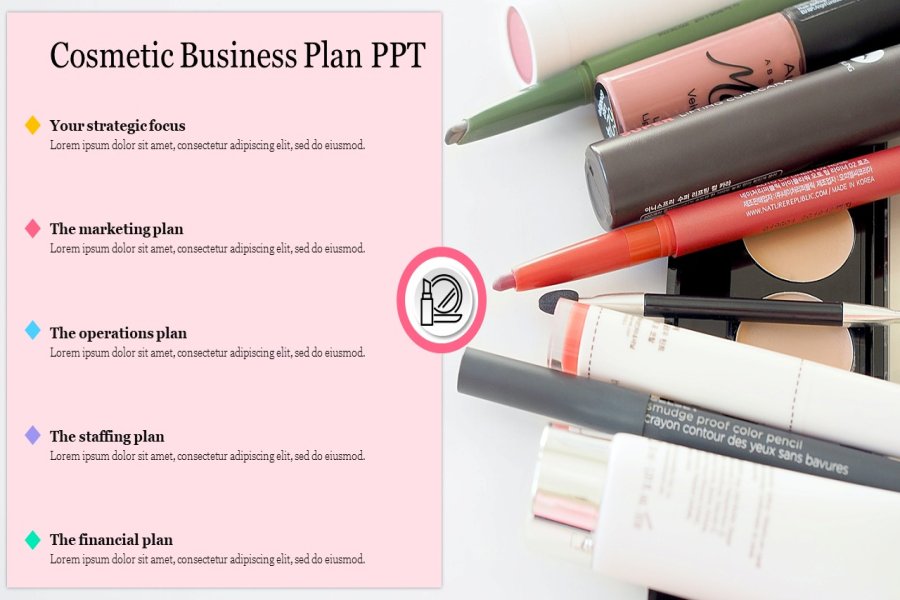
Starting a cosmetic business is a promising venture, especially with the growing demand for beauty and skincare products worldwide. However, to ensure that your business is successful and sustainable, a well-thought-out cosmetic business plan template is essential. A business plan not only helps you clarify your business vision but also provides a roadmap for your growth. Whether you are starting small or planning for a large-scale cosmetic brand, having a solid plan will guide you toward your goals.
In this article, we will break down the key components of a cosmetic business plan template, how to structure it, and why it is crucial for your business success. Let’s dive into what goes into creating a business plan for your cosmetic business.
Why a Cosmetic Business Plan Template is Important
A cosmetic business plan is the foundation of your business. It helps you lay out your goals, target market, products, and the steps you need to take to achieve long-term success. Whether you’re looking to attract investors or simply organize your own ideas, a business plan template will give you the structure needed to move forward.
This document serves as both a guide and a marketing tool. It can be used to communicate your vision to potential investors, partners, and customers. A well-written plan shows that you understand the industry, your competition, and the unique selling points of your products.
Moreover, a business plan can help you identify potential risks, assess your finances, and set realistic expectations for growth. It ensures you are prepared for the challenges of running a business in the cosmetic industry, including market trends, regulatory compliance, and customer demand.
Key Components of a Cosmetic Business Plan Template
Creating a business plan for your cosmetic company involves several important sections. Here are the key components to include in your cosmetic business plan template:
Executive Summary
The executive summary is the first section of your business plan but is often written last. It provides a concise overview of your cosmetic business, including your mission, vision, products, target market, and goals. The executive summary should be engaging and easy to understand, offering a snapshot of what your business stands for and why it will succeed. This is often the section that potential investors or stakeholders will read first, so it must grab their attention.
Company Description
In this section, you should provide a detailed description of your cosmetic company. Include information about your brand, the types of products you offer, and the values that drive your business. Are you focused on organic and cruelty-free beauty products, or do you offer luxury skincare solutions? Define your company’s mission and explain how it stands out in the crowded beauty industry. You should also outline your business structure, whether it’s a sole proprietorship, partnership, or corporation.
Market Research and Analysis
This section is crucial because it helps you demonstrate a deep understanding of the cosmetic market. Start by defining your target audience. Who are your ideal customers? Are you targeting a specific age group, gender, or skin type? Understanding your target market is essential for tailoring your products and marketing strategies.
In this section, you’ll also analyze your competition. Who are the leading brands in your niche, and how will your products differ from theirs? Conduct research on industry trends, such as the growing demand for natural ingredients or vegan products, and show how your brand can capitalize on these trends. Your market analysis will serve as evidence that there is a demand for your products and that your business can succeed.
Products and Services
Detail the products and services your cosmetic business will offer. Will you be focusing on skincare, makeup, haircare, or a combination of these? Provide specifics about the types of products, ingredients, and formulations that make your offerings unique. If you have any flagship products, make sure to highlight them and explain their benefits.
For example, if your products are all-natural and free from harmful chemicals, emphasize how that meets the growing demand for eco-conscious beauty solutions. If you offer services such as personalized skincare consultations or beauty tutorials, make sure to describe how these services complement your product line.
Marketing and Sales Strategy
A solid marketing and sales strategy will help you attract customers and grow your brand. This section should outline the specific marketing tactics you plan to use, such as social media marketing, influencer partnerships, email campaigns, or in-store promotions. You should also describe your brand positioning—how you want your customers to perceive your brand. Will you market your cosmetic products as luxury, budget-friendly, or eco-conscious?
Your sales strategy should include pricing models, promotional offers, and methods for generating customer loyalty. Will you offer discounts for first-time customers or create a subscription service for regular purchases? Additionally, think about your sales channels. Will you sell through a physical store, an e-commerce website, or third-party platforms like Amazon?
Operations Plan
The operations plan provides an overview of how your cosmetic business will run day-to-day. This includes your business location, suppliers, manufacturing processes, and distribution channels. For example, do you plan to manufacture your products in-house or outsource production to a third-party manufacturer?
In addition, outline your staffing needs and key roles within the company. Will you need a team for marketing, sales, product development, or customer service? An organized operations plan is essential for managing your resources efficiently and ensuring smooth business operations.
Financial Projections
Financial projections are an essential part of any business plan, especially if you’re seeking funding. In this section, provide detailed financial forecasts for your cosmetic business. Include projected income statements, cash flow projections, and balance sheets for the first few years of operation. You should also include an analysis of your startup costs and funding requirements.
Investors and lenders will be looking for realistic financial projections that show how your business will become profitable. Be sure to back up your projections with solid data and assumptions, and provide a clear plan for managing costs and scaling the business. A well-constructed financial plan will help you demonstrate your ability to manage finances and run a profitable cosmetic business trend2wear.
Funding Request (If Applicable)
If you’re looking for investment or loans to launch your cosmetic business, the funding request section is where you outline how much money you need and how you plan to use it. Be specific about what the funds will be used for, such as product development, marketing, or inventory. You should also explain how investors will benefit from providing funding, whether through equity or repayment terms.
How to Format Your Cosmetic Business Plan Template
When formatting your cosmetic business plan template, make sure it’s clear, concise, and visually appealing. Use headings, subheadings, and bullet points to organize the content. This will make it easier for potential investors, partners, or stakeholders to quickly digest the information.
Keep the design simple and professional. If possible, include charts or graphs to support your financial projections or market research. A clean, organized layout will give your business plan a polished and credible look.
FAQs
What is a cosmetic business plan template?
A cosmetic business plan template is a structured document that outlines the goals, strategies, and financial projections for your cosmetic business. It helps you plan and organize the different aspects of your business.
Why do I need a cosmetic business plan?
A business plan is essential for guiding your business, attracting investors, and ensuring long-term success. It helps you clarify your goals, understand your market, and structure your business operations.
What should be included in a cosmetic business plan template?
A cosmetic business plan template should include an executive summary, company description, market research, products and services, marketing strategy, operations plan, financial projections, and funding request (if applicable).
How long should a cosmetic business plan be?
A cosmetic business plan should be between 15-20 pages long. It should be comprehensive enough to cover all important aspects but concise enough to keep the reader engaged.
Can I use a cosmetic business plan template to get funding?
Yes, a well-prepared business plan is crucial for securing funding from investors or lenders. It shows that you have a clear plan and understanding of the cosmetic market, which increases your chances of getting the financial support you need.