
The Architecture of Structural and Financial Capital
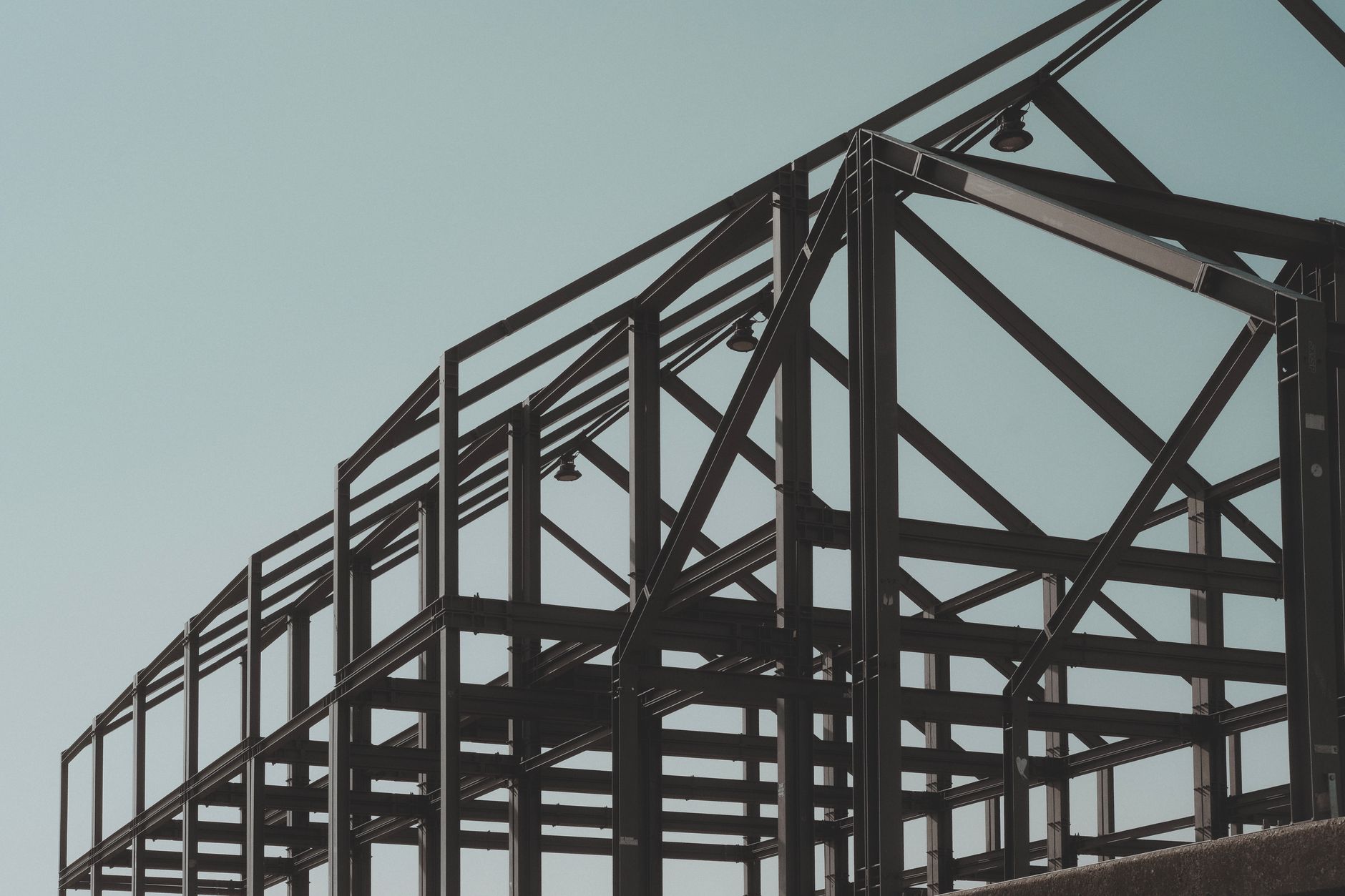
The modern economic landscape functions much like a massive, interconnected infrastructure project. Every operational node, from the electrical grids powering urban centers to the digital networks routing global asset trades, depends on strict consistency, quality assurance, and long-term foresight. When an individual steps back to look at how modern society preserves value, it becomes clear that physical systems and financial frameworks are deeply intertwined. A breakdown in one inevitably triggers a failure in the other, demonstrating that long-term security requires simultaneous attention to physical asset protection and strategic capital deployment.
True sustainability is never the result of a single reactive measure. Instead, it is built by developing an operational environment that balances day-to-day functional requirements with calculated, forward-looking investments. Whether managing a complex real estate renovation or steering a corporate enterprise through macroeconomic shifts, success relies on an underlying discipline. By matching meticulous maintenance standards with a deep understanding of market trends, organizations and individuals create a resilient buffer against both structural deterioration and economic volatility.
Technical Precision in Urban Infrastructure
Maintaining the physical integrity of an environment requires specialized skills that protect capital from hidden operational hazards. In dense residential markets and expanding commercial hubs, building systems demand precise execution to ensure safety and code compliance. Electrical frameworks, in particular, serve as the lifeblood of modern properties, dictating everything from baseline climate control to automated security networks. A single engineering oversight or a neglected circuit can lead to catastrophic downtime, wiping out localized real estate value in a matter of minutes.
Ensuring that these complex installations run smoothly requires working with certified experts who understand localized structural codes and systemic risk management. For example, a veteran sähkömies espoo provides the critical technical insight needed to balance heavy power grids, update outdated panels, and safely integrate smart-grid technology into northern European architectures. Entrusting these heavy-duty infrastructure overhauls to experienced technicians removes the dangerous variable of operational failure. This level of preventative maintenance secures the physical asset, laying a dependable foundation upon which complex economic and residential activities can safely take place year after year.
The Economics of High-Profile Influence
Just as physical spaces require regular structural reinforcement, public markets and media landscapes rely heavily on the continuous movement of consumer attention and capital. The global media economy operates on a system of visibility, where public profiles influence major trends in consumer tech, luxury fashion, real estate, and venture capital. The narratives surrounding high-profile public figures possess a unique ability to shift market demand overnight, turning niche products into mainstream financial successes through sheer visibility.
When observing these cultural shifts, financial analysts monitor how prominent Celebrities transition from traditional entertainment contracts into active enterprise builders and early-stage venture investors. Modern public figures are no longer passive brand ambassadors; instead, they leverage their massive audiences to launch private equity funds, establish direct-to-consumer software platforms, and anchor multi-million dollar real estate portfolios. This evolution highlights a fundamental truth about the modern economy: attention is a powerful form of leverage that, when managed with proper corporate governance, can be converted into long-term institutional wealth.
Quantitative Mechanics of Capital Allocation
When this high-profile influence intersects with institutional financial systems, the results are captured on global trading floors and inside public asset ledgers. Moving from the preservation of physical buildings and public assets to active market participation requires a strict understanding of equity valuation, liquidity metrics, and portfolio diversification. True wealth architecture shifts focus from passive cash accumulation to the active optimization of liquid investments that grow alongside the broader global economy.
Deploying excess capital into public financial markets requires analyzing balance sheets, corporate earnings ratios, and broader macroeconomic factors. Committing funds to high-performing Stocks turns market volatility into a strategic advantage, allowing investors to capture compounding gains over long horizons. This technical approach to asset management mirrors the careful planning seen in construction or media management. Every investment decision must be backed by data and structural logic rather than emotional reactions, ensuring that a portfolio remains balanced even when public sentiment shifts unpredictably.
Synthesizing Durability and Scalable Wealth
Ultimately, the optimization of physical infrastructure, cultural media networks, and financial portfolios forms a singular, unified discipline. The choices made to secure a building's electrical systems, leverage public attention, and allocate market capital all contribute to a larger structure of long-term economic resilience. When structural durability in our physical environments meets analytical precision in global equity markets, the daily management of resources shifts from a chaotic series of reactions to a controlled, compounding path toward lasting institutional stability.
Conclusion
Building a secure future requires viewing physical maintenance and financial strategy as connected parts of a single system. From the safety of a regional power grid to the calculated risks of a global asset portfolio, long-term success is dictated by an unwavering commitment to quality and data-driven discipline. By mastering both physical operations and capital markets, individuals and enterprises protect themselves against unexpected systemic shocks while building a foundation for continuous growth. True progress is achieved when structural integrity and financial insight work together to ensure lasting prosperity.