
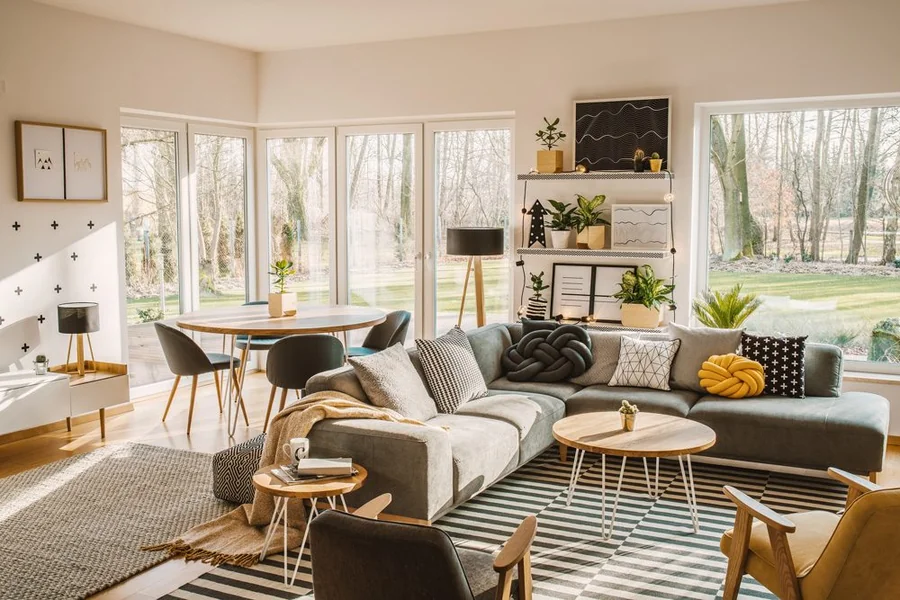
Introduction
Round vs rectangular dining table: which is better for modern homes? Choosing the right dining table shape is an important decision because it influences both the functionality and the appearance of your dining area. The dining table is where families gather for meals, conversations, and celebrations, so selecting the right design can improve both comfort and space efficiency.
Both round and rectangular dining tables have unique advantages. Some homeowners prefer the cozy and social atmosphere of a round table, while others appreciate the practicality and seating capacity of a rectangular design. The best choice often depends on factors such as room size, family needs, interior style, and how often guests visit.
Understanding the differences between these two popular table shapes can help homeowners create a dining area that feels comfortable, balanced, and visually appealing. By considering layout, seating arrangements, and everyday usage, it becomes easier to determine which dining table design works best for your home.
Space Efficiency and Room Layout
One of the most important factors when choosing a dining table is how well it fits within the available space. Round and rectangular tables behave very differently when placed in a room.
Round dining tables work best in smaller or square-shaped rooms. Their curved edges allow people to move around the table easily without bumping into corners. Because there are no sharp edges, round tables often make a room feel less crowded. This makes them particularly suitable for compact dining areas or apartments where maximizing space is essential.
Rectangular dining tables, on the other hand, are better suited for larger rooms or long dining spaces. Their elongated shape allows them to align naturally with walls or open layouts. In many homes, rectangular tables can seat more people without taking up excessive floor space along the sides.Home decor lovers often explore collections from Wakefit.
For homeowners with narrow dining rooms, rectangular tables often provide a more practical layout. Meanwhile, round tables are ideal for creating an open and relaxed environment in smaller spaces.
Seating Capacity and Comfort
Seating capacity is another major difference between round and rectangular dining tables. Each design offers different advantages depending on how many people typically dine together.
Round tables encourage a more intimate dining experience because everyone sits at an equal distance from the center. This arrangement allows for easier conversation, as no one feels separated from the group. Round tables are perfect for smaller families or casual gatherings where interaction is important.
However, round tables may have limitations when it comes to accommodating larger groups. Once the diameter becomes too large, it becomes difficult for people to reach dishes placed in the middle.
Rectangular tables generally provide greater seating capacity. Their shape allows chairs to be placed along both sides and at the ends, making them suitable for larger families or frequent gatherings. They also allow more flexibility in adding extra chairs when needed.
For households that often host dinner parties or family events, rectangular dining tables may offer more practical seating arrangements.
Dining Style and Social Interaction
The way people interact around a dining table can also be influenced by its shape. Furniture design often affects how comfortable and engaging a dining experience feels.
Round tables naturally promote conversation because everyone faces each other equally. There is no “head” of the table, which creates a more casual and inclusive atmosphere. This design is ideal for families who enjoy long meals and relaxed discussions.
Rectangular tables, however, often create a more formal dining setting. The placement of seats at the ends can give certain positions a sense of prominence, which is sometimes preferred during formal dinners or large gatherings.
While this structure may feel slightly less intimate than a round table, it offers greater flexibility when arranging seating for many guests.
Ultimately, the choice depends on the type of dining experience homeowners prefer. Some people prioritize social interaction, while others value practicality and capacity.
Design Style and Interior Aesthetics
Both round and rectangular dining tables can complement modern interior design, but each shape contributes a different visual effect to the room.
Round tables soften the overall appearance of a space because their curved edges break up the straight lines commonly found in modern interiors. They create a sense of flow and balance, especially in rooms that already contain many rectangular elements such as cabinets, windows, and shelving units.
Rectangular tables provide a more structured and traditional appearance. Their linear design works well with contemporary furniture layouts and open-plan dining areas. In larger rooms, a rectangular table can act as a strong focal point that anchors the dining space.
Material choices also influence the aesthetic impact of the table. Wooden tables add warmth, glass tables create a modern feel, and marble surfaces introduce luxury and elegance.
Whether round or rectangular, the dining table should harmonize with the overall design theme of the home.A spacious bedroom can easily accommodate a Wakefit Bed.
Practical Considerations for Everyday Use
Beyond aesthetics and seating capacity, everyday practicality plays a significant role in choosing the right dining table shape.
Round tables are generally easier to navigate around because there are no corners. This makes them safer in homes with young children and easier to place in tight spaces. However, their size cannot be easily adjusted unless they include extension features.
Rectangular tables are often more versatile in terms of expansion. Many designs include extendable leaves that allow the table to grow when guests arrive. This feature makes them highly adaptable for households that occasionally host larger gatherings.
Another practical factor is placement. Rectangular tables can be pushed closer to walls when necessary, saving space in smaller rooms. Round tables usually require more central positioning within the dining area.
Considering how the table will be used daily helps homeowners make a more informed decision.
Final Thought
Choosing between a round and rectangular dining table ultimately depends on the layout of the home, the number of people who regularly dine together, and the desired atmosphere of the dining space.
Round tables are excellent for creating intimate and social dining experiences, especially in smaller rooms. Their curved design encourages conversation and allows easy movement around the table. They are particularly suitable for couples, small families, or compact dining areas.
Rectangular tables, on the other hand, offer greater seating capacity and flexibility. They work well in larger dining rooms and are often better suited for households that host frequent gatherings. Their structured shape also complements many modern interior layouts.
Both options have unique advantages, and the best choice is the one that aligns with the homeowner’s lifestyle and space requirements. By carefully considering room size, seating needs, and interior style, it becomes easier to select a dining table that enhances both comfort and design.