
Waif Models – The Rise of a Controversial Fashion Trend
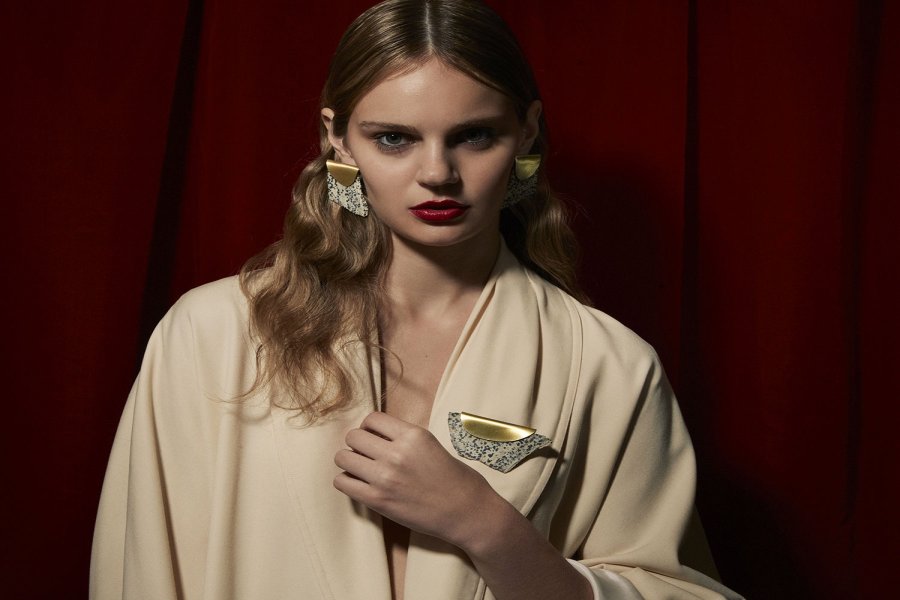
Waif models have become a significant part of the fashion industry over the last few decades. With their slender frames and youthful appearances, these models have come to represent a particular aesthetic in high fashion. Though controversial, waif models have been widely admired for their unique look, and they’ve shaped the way beauty is perceived in the world of fashion. In this article, we dive into the history, influence, and impact of waif models, shedding light on the role they play in today’s fashion scene.
The Origins of Waif Models
The term “waif” refers to someone who appears fragile, thin, or even undernourished. In the context of fashion, waif models are often characterized by their extremely slender frames, sharp features, and androgynous looks. While the concept of a waif-like model isn’t new, it became particularly popular in the 1990s with models like Kate Moss.
Kate Moss became the face of the waif model movement, bringing this look to the forefront of fashion during the peak of her career. Her appearance challenged the traditional beauty standards of the time, which were more centered around curvier figures. Moss’s success showed that the fashion world was open to new types of beauty, leading to a rise in the popularity of waif models.
The Influence of Waif Models on Fashion
Waif models have had a lasting influence on the fashion industry. Designers have often preferred models with more angular and delicate features, seeing them as blank canvases for showcasing their collections. The waif look emphasizes simplicity, allowing the clothes to take center stage without being overshadowed by the model’s physique.
In the 1990s and early 2000s, models like Kate Moss, Shalom Harlow, and Stella Tennant helped popularize this lean, edgy aesthetic. Their presence on the runways and in campaigns for high-end designers solidified the idea that waif models were the ideal choice for fashion shows and editorials. This preference for thinner models led to a shift in how beauty was defined in the fashion world, with the waif look becoming synonymous with high fashion.
The Controversy Surrounding Waif Models
While waif models have been widely praised for their contribution to fashion, their prominence has also sparked significant controversy. Critics argue that the thinness of these models promotes unrealistic beauty standards and can contribute to body image issues, particularly among young women. The idea of a “waif-like” appearance often leans toward extreme thinness, which has led some to question whether this aesthetic is healthy or attainable for most people.
The rise of waif models has also led to a broader conversation about the impact of the fashion industry on mental health. There are concerns that the prevalence of such models in advertisements and on runways can create an idealized image of beauty that is not only unattainable but also harmful to many people’s self-esteem. Despite these criticisms, waif models continue to hold a prominent place in the industry, raising questions about the need for more diversity in body types and beauty standards.
The Changing Landscape of Modeling and Beauty
In recent years, the fashion industry has started to embrace a more diverse range of body types. While waif models still hold a significant place, there has been a noticeable shift towards more inclusive representations of beauty. Models of all sizes, shapes, and ethnicities are increasingly being celebrated on runways and in campaigns.
The move toward body positivity has opened up opportunities for models who don’t fit the traditional “waif” mold, leading to greater diversity in fashion. This shift has prompted brands and designers to reconsider their casting choices and celebrate a wider range of beauty. As the conversation around body image continues, it’s clear that the industry is evolving and becoming more inclusive, but waif models still remain an important part of the conversation.
Waif Models and Their Impact on the Fashion Industry
Despite the ongoing debate about their influence, waif models have undeniably impacted the fashion industry. Their distinct look has shaped runway trends and editorial styles for decades. Waif models have brought a sense of edge and androgyny to the fashion world, breaking away from traditional beauty norms and offering a new kind of allure.
For many designers, waif models represent the epitome of elegance and sophistication. Their thin frames and delicate features have been associated with high fashion’s avant-garde and minimalist aesthetics. Many major fashion houses continue to cast waif models for their collections, using their look to convey a sense of purity and understated beauty.
However, the impact of waif models on the fashion industry is not one-dimensional. While they’ve influenced trends, they’ve also sparked important conversations about the need for more body positivity and inclusivity in the industry. As the fashion world moves toward embracing a broader spectrum of beauty, waif models continue to serve as both icons of a particular aesthetic and symbols of the changing tides of fashion.
The Future of Waif Models in Fashion
As we look toward the future of fashion, it’s clear that the role of waif models is evolving. The demand for diversity and inclusivity has become stronger than ever, and while waif models may still hold a prominent place in high fashion, they are being joined by models with a variety of body types. The rise of plus-size models, models of different ethnicities, and those with disabilities reflects a more inclusive approach to beauty.
Despite this shift, waif models continue to make an impact. The fashion world is known for its cyclical nature, and the trend of using lean, androgynous models may continue to be influential for years to come. However, it’s clear that the definition of beauty in fashion is expanding, and the future of the industry may offer a more inclusive representation of body types.
Final Thought
Waif models have been a defining feature of the fashion world for decades, influencing trends and changing beauty standards. While their look has sparked both admiration and controversy, their presence in the industry cannot be denied. As fashion continues to evolve, waif models will remain an important part of the conversation, serving as both symbols of a specific aesthetic and catalysts for change in the pursuit of diversity and inclusivity in the industry.